
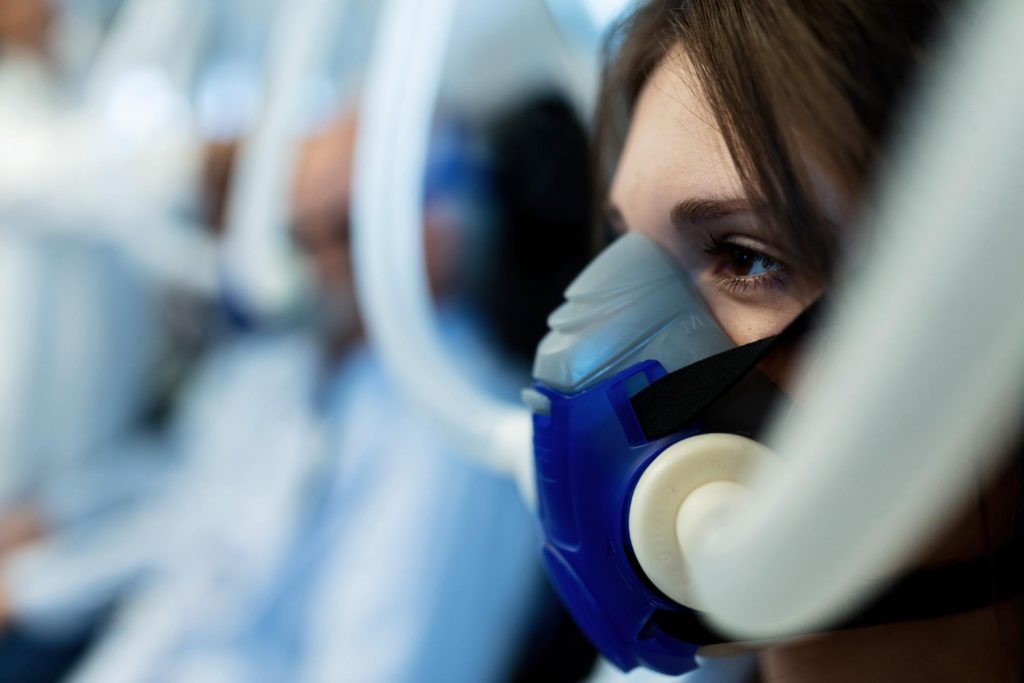
HBOT at Brampton Hyperbarics and Wound Care is covered by OHIP for most indications. All patients undergo a physician-supervised medical assessment before treatment begins.
Hyperbaric Oxygen Therapy (HBOT) has become one of the more scientifically interesting developments in modern medicine, combining principles of physics, physiology, and patient care. Initially developed to treat decompression sickness in divers, HBOT has since been studied and applied across a range of medical conditions, including chronic wounds, serious infections, and radiation-related tissue damage.
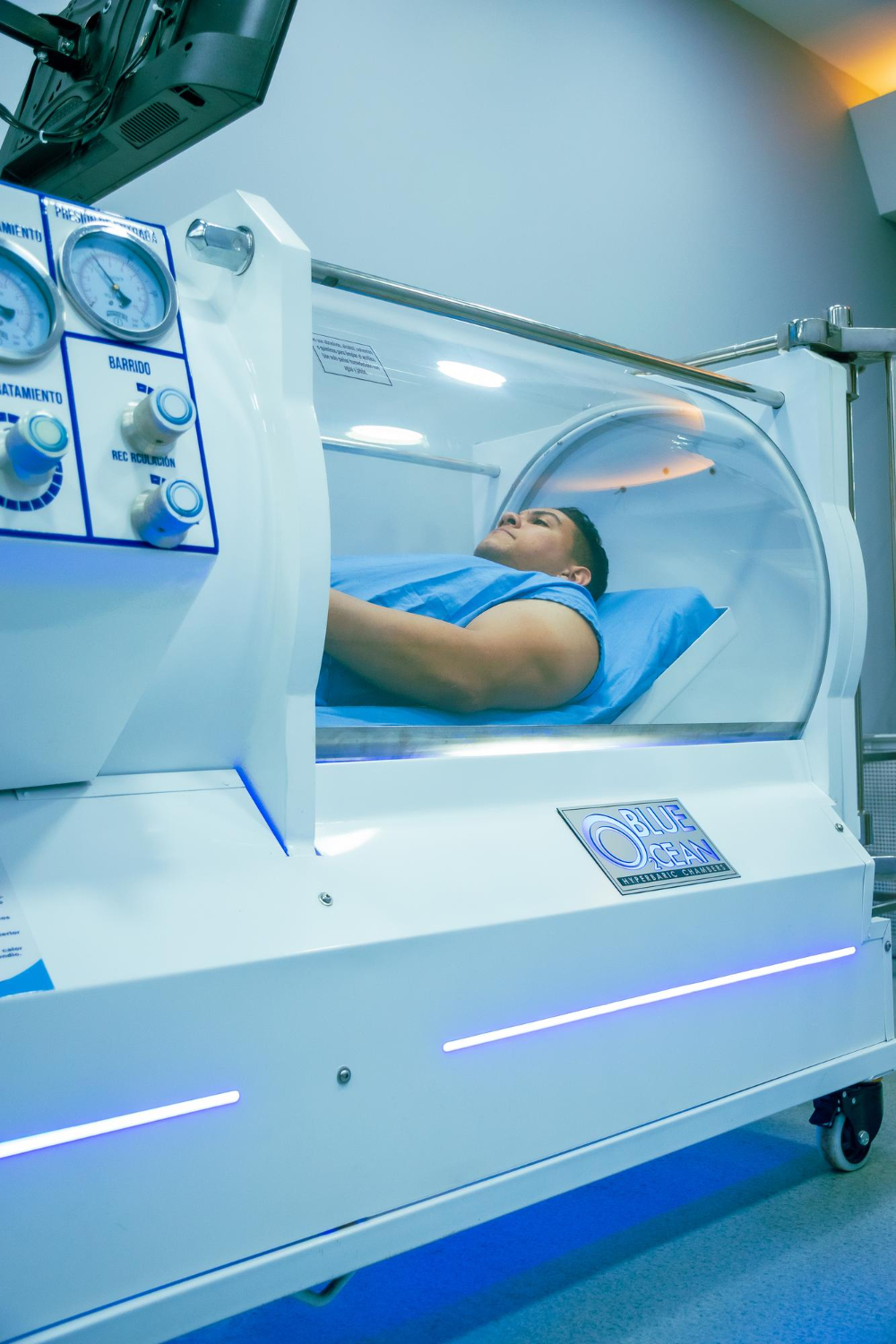
The mechanism of action is well-characterized: aHBOT involves breathing 100% oxygen inside a pressurized chamber, typically at two to three times normal atmospheric pressure. This allows the lungs to absorb significantly more oxygen than under normal conditions, increasing oxygen delivery to tissues that may have compromised circulation. By supporting the body’s natural repair mechanisms, HBOT may help certain patients heal more effectively when combined with their existing treatment plan.
At Brampton Hyperbarics and Wound Care, we apply evidence-based hyperbaric protocols to patients in Brampton and the surrounding Peel Region of Ontario who may benefit from adjunctive HBOT. We believe patients are best served when they understand how and why a treatment works.
Understanding Hyperbaric Oxygen Therapy (HBOT)
What Is Hyperbaric Oxygen Therapy?
Hyperbaric Oxygen Therapy is a non-invasive medical procedure in which patients breathe pure oxygen in a sealed chamber under increased pressure. At this elevated pressure, oxygen dissolves into the blood at concentrations substantially higher than normal.
Under normal conditions, oxygen is transported through the bloodstream primarily by hemoglobin within red blood cells. In a pressurized hyperbaric environment, oxygen behaves differently: the increased pressure allows oxygen to dissolve directly into blood plasma, independent of hemoglobin. This dissolved oxygen can then reach areas of the body with restricted or compromised blood flow, delivering oxygen to tissue that might otherwise be unable to receive an adequate supply.
This mechanism produces several therapeutic effects:
- Increased oxygen availability in injured or hypoxic tissue
- Improved cellular metabolism
- Support for tissue repair processes
- Reduction in inflammation
- Enhanced immune response to infection
This is why HBOT is used as a complementary therapy in certain conditions where conventional treatment alone has not been sufficient.
The Science Behind Hyperbaric Oxygen Therapy
How Pressure and Oxygen Work Together
The science of HBOT rests on established principles of physics and physiology. As atmospheric pressure increases, gases dissolve into liquids at higher concentrations — a principle described by Henry’s Law. Inside a hyperbaric chamber, oxygen concentration in the blood can increase substantially compared to breathing room air, which significantly raises the amount of oxygen available to tissues.
This elevated oxygen availability produces several biological effects:
1. Enhanced Oxygen Delivery
Increased pressure enables oxygen to penetrate more deeply into tissues, including those with compromised blood supply. This is particularly relevant in chronic wounds and radiation-injured tissue, where circulation has been impaired.
2. Reduced Tissue Swelling
HBOT may reduce swelling and inflammation in affected areas, which can further support circulation in damaged tissue.
3. Stimulated Cellular Repair
HBOT has been shown in clinical research to promote collagen synthesis and angiogenesis — the formation of new blood vessels — both of which are required for tissue regeneration.
4. Improved Immune Response
Higher tissue oxygen levels may enhance the bacterial-killing capacity of white blood cells, supporting the body’s ability to manage infection. HBOT is used adjunctively with antibiotic therapy in certain serious infections.
5. Reduced Tissue Hypoxia
By improving oxygen diffusion into hypoxic tissue, HBOT addresses one of the core barriers to healing in conditions such as diabetic foot ulcers and radiation-related damage.
Medical Conditions Treated with Hyperbaric Oxygen Therapy
The Undersea and Hyperbaric Medical Society (UHMS) recognizes a number of medical conditions for which there is sufficient clinical evidence to support HBOT as an adjunctive treatment. At Brampton Hyperbarics and Wound Care, we offer outpatient HBOT for UHMS-recognized indications following physician assessment.
1. Chronic Wounds and Diabetic Foot Ulcers
Chronic wounds frequently develop when tissues cannot receive adequate oxygen to support healing — a problem particularly common in patients with diabetes or vascular disease. HBOT may support wound healing by:
- Increasing oxygen levels in wound tissue
- Stimulating new blood vessel growth
- Supporting collagen formation
- Improving immune response in the wound area
Clinical evidence, including published research and UHMS guidelines, supports the use of HBOT as an adjunct therapy in selected patients with chronic diabetic wound complications.
2. Radiation Tissue Damage
Radiation therapy may damage surrounding healthy tissue and reduce blood flow to the treated area. HBOT may support recovery by:
- Stimulating angiogenesis (new blood vessel growth) in radiation-damaged tissue
- Improving oxygen supply to affected areas
- Supporting tissue regeneration in areas that would otherwise continue to deteriorate
HBOT is a recognized adjunct treatment for radiation-related complications, including osteoradionecrosis, radiation cystitis, radiation proctitis, and soft-tissue radionecrosis.
3. Serious Infections
Certain life-threatening infections may benefit from adjunctive HBOT as part of a comprehensive treatment approach. Conditions with clinical evidence supporting HBOT use include:
- Necrotizing soft-tissue infections (fasciitis)
- Gas gangrene (clostridial myonecrosis)
- Refractory osteomyelitis (chronic bone infection)
Raising oxygen levels in infected tissue creates conditions less favorable to certain anaerobic bacteria and may enhance antibiotic effectiveness. HBOT for serious infections is used adjunctively alongside surgical and antibiotic management, with appropriate specialist coordination.
4. Compromised Skin Grafts and Flaps
Patients whose skin grafts or surgical flaps show signs of poor take or threatened viability may benefit from adjunctive HBOT to improve oxygenation and support graft survival.
5. Sudden Sensorineural Hearing Loss
HBOT may be used alongside steroid therapy for sudden sensorineural hearing loss. Early treatment — typically within the first two weeks of symptom onset — is associated with improved outcomes.
Areas of Ongoing Research
Hyperbaric medicine continues to evolve. A number of applications are currently under active clinical investigation. It is important for patients to understand that the following represent emerging or investigational areas — they are not currently established standard-of-care indications and are not recognized by the UHMS as approved uses:
Important: The following potential applications are investigational and not currently approved or recognized as standard treatments by the Undersea and Hyperbaric Medical Society (UHMS). Evidence is evolving. These are offered as treatments at Brampton Hyperbarics and Wound Care after appropriate clinical assessment and informed consent.
- Neurological recovery and traumatic brain injury — under active study
- Long COVID symptom management — preliminary evidence; clinical trials ongoing
- Orthopedic and bone healing beyond established indications — under study
- Male & Female Infertility
- Inflammatory Bowel Disease
- Longevity
- Concussion
We do not offer medical treatments for autism, cerebral palsy or multiple sclerosis.
What to Expect During HBOT Treatment at Brampton Hyperbarics
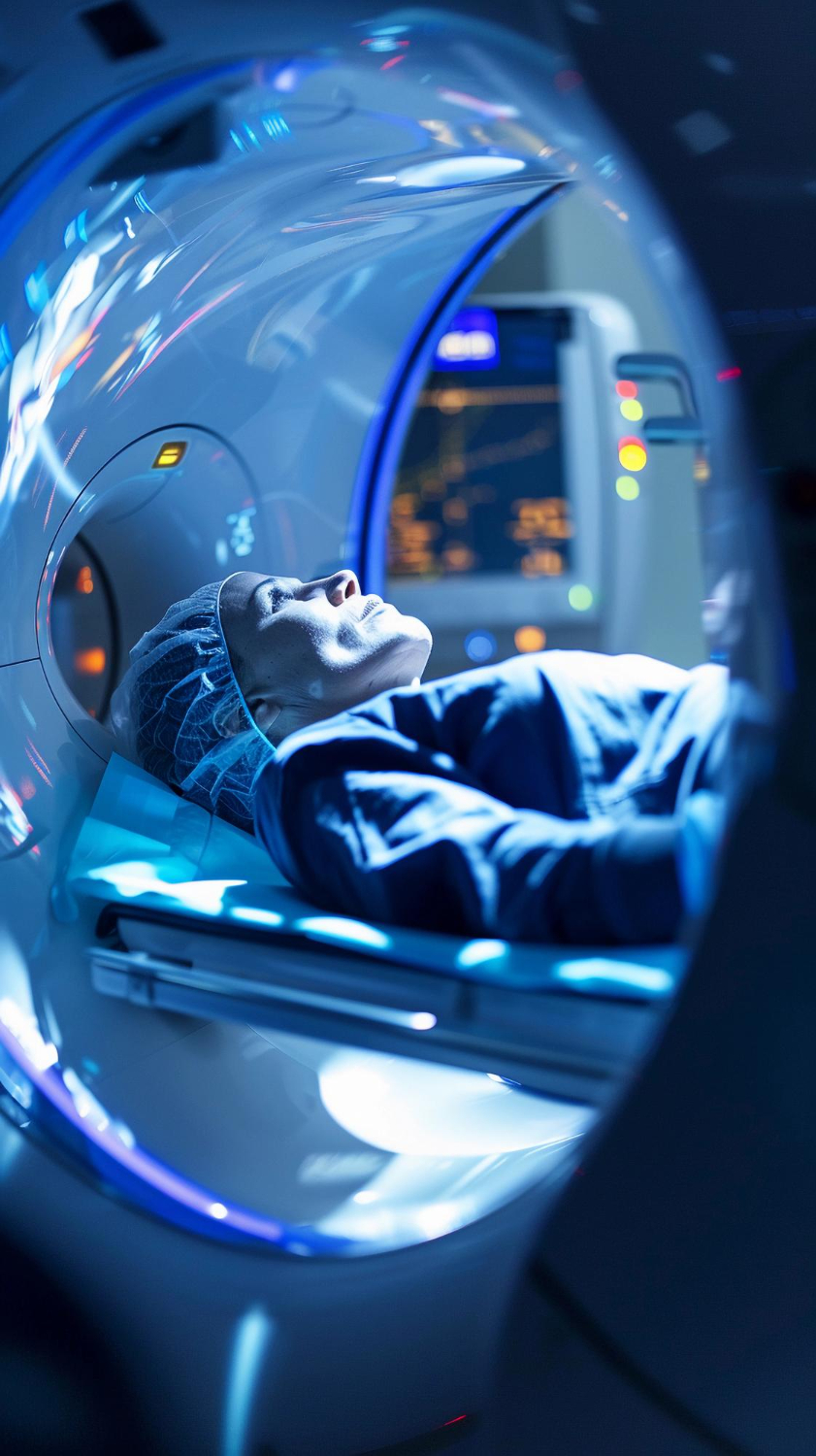
Patient safety and comfort are priorities at Brampton Hyperbarics and Wound Care. A typical HBOT course includes:
- Medical evaluation: A physician assesses whether HBOT is appropriate for your condition before treatment begins
- Entering the chamber: Patients lie comfortably inside a pressurized chamber
- Breathing pure oxygen: Oxygen is delivered as the pressure gradually increases
- Session duration: Sessions typically last 60 to 120 minutes
- Gradual decompression: Pressure is slowly returned to normal before the session ends
The full course of treatment, number of sessions, and session parameters are determined by your treating physician based on your specific condition and clinical response.
Why Physician Supervision Matters in HBOT
HBOT is a medical procedure and must be delivered under physician supervision. Not all patients are appropriate candidates. A thorough pre-treatment assessment is required to:
- Confirm HBOT is indicated for your condition
- Identify any contraindications (e.g., untreated pneumothorax is an absolute contraindication)
- Review medications and concurrent conditions that may require consideration
- Develop an individualized treatment plan
At Brampton Hyperbarics and Wound Care, every patient is assessed by a physician before starting treatment, and monitoring continues throughout the treatment course.
Frequently Asked Questions
1. Is HBOT safe?
HBOT is generally considered safe when administered under appropriate medical supervision with proper patient screening. As with any medical procedure, risks exist, which is why a thorough physician assessment is required before treatment. Common minor side effects include ear pressure (similar to that felt during air travel). Serious side effects are rare in properly screened patients.
2. Is HBOT painful?
No. HBOT is a non-invasive, painless procedure. Patients may notice mild ear pressure during pressurization, which typically resolves easily.
3. What conditions is HBOT approved for?
The UHMS recognizes a number of evidence-based indications, including chronic diabetic wounds, radiation tissue damage, serious infections (such as gas gangrene and necrotizing fasciitis), osteomyelitis, compromised skin grafts and flaps, and sudden sensorineural hearing loss, among others. Each patient is assessed individually to determine whether HBOT is appropriate for their specific situation.
4. Can HBOT treat long COVID or brain injuries?
These are investigational applications being studied in clinical trials. Preliminary evidence suggests possible benefits in some patients with neurological symptoms or post-COVID fatigue, but HBOT is not currently an established or UHMS-approved treatment for these conditions. Patients interested in these applications should discuss them with a physician who can provide informed guidance.
5. Is HBOT covered by OHIP in Ontario?
HBOT at Brampton Hyperbarics and Wound Care is funded by OHIP for most indications. Our team is happy to help you understand your options.
6. How do I access HBOT in Brampton or the Peel Region?
A physician referral is required. Your family physician or specialist can refer you to Brampton Hyperbarics and Wound Care. You are also welcome to contact us directly at bramptonhbot.ca, and our team will guide you through the process.
Final Thoughts: The Science and Practice of Hyperbaric Healing
Hyperbaric Oxygen Therapy is one of the more compelling intersections of physics, physiology, and clinical medicine. By significantly increasing the oxygen available to injured or compromised tissue, HBOT may support the body’s natural healing processes in ways that conventional treatment alone sometimes cannot.
For patients with chronic wounds, radiation complications, serious infections, or other UHMS-recognized indications, HBOT represents a scientifically grounded adjunctive therapy — not a replacement for conventional care, but a meaningful addition to it for appropriate patients.
At Brampton Hyperbarics and Wound Care, our aim is straightforward: to provide evidence-based, physician-supervised hyperbaric therapy in a safe and patient-centred environment, helping people in Brampton and the Peel Region of Ontario regain health and quality of life.